Smart Steps for Confident Trading Success Through Practical Learning Today
Many beginners search for how to create a demo account before risking real money in financial markets. A demo account offers a practical environment where new traders can explore market movements, test strategies, and understand trading platforms without financial pressure. This guide is shared for readers of btcdana.com and explains useful steps that help build confidence while reducing common beginner mistakes.
Understanding the Purpose of Demo Trading
A demo account is designed to simulate real market conditions using virtual funds instead of actual money. It allows traders to become familiar with price charts, trading tools, and order execution. Since no real capital is involved, beginners can learn from mistakes without financial consequences. This approach creates a comfortable learning experience before making any real investment decisions.
Choosing a Reliable Trading Platform
Selecting a trusted trading platform is an important part of your learning journey. Look for platforms that provide user-friendly navigation, educational materials, responsive customer support, and realistic market data. A quality platform should also offer a wide range of trading instruments. Comparing available features before opening an account can help you choose an option that matches your learning goals.
Registering Your Demo Account
Opening a demo account usually requires only a few simple steps. Visit the official website of your selected broker, complete the registration form, verify your email if requested, and log in to access the trading dashboard. Most platforms instantly provide virtual funds, allowing users to begin practicing without making a deposit or submitting payment information.
Learning the Trading Dashboard
After accessing your account, spend time exploring the trading interface before placing any trades. Learn how to read price charts, monitor market movements, customize indicators, and manage open positions. Understanding every section of the dashboard improves efficiency and reduces confusion when you eventually switch to live trading with real money.
Practicing Effective Risk Management
Risk management is one of the most valuable lessons every trader should learn. Even when using virtual money, it is wise to develop habits such as setting stop-loss levels, limiting trade sizes, and avoiding emotional decisions. These practices encourage discipline and prepare traders for the responsibilities associated with real financial markets.
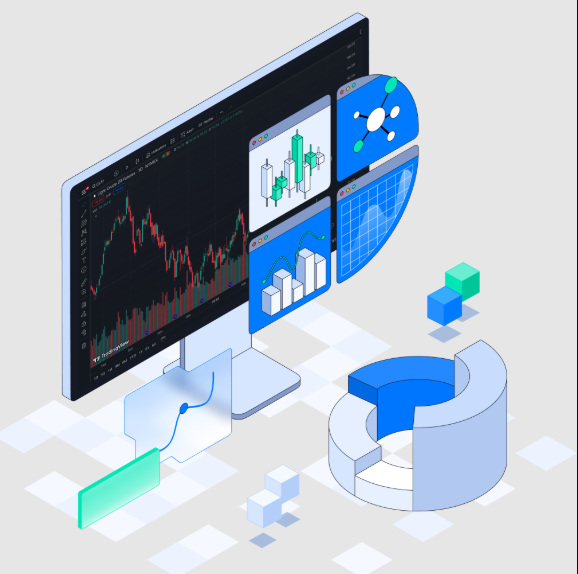
Testing Different Trading Strategies
A demo account provides an excellent opportunity to experiment with various trading methods. Traders can compare short-term and long-term strategies, evaluate technical indicators, and analyze different market conditions. Recording the results of each strategy helps identify strengths and weaknesses while improving decision-making through consistent practice and careful observation.
Avoiding Common Beginner Mistakes
Many new traders rush into live trading without enough preparation. Common mistakes include overtrading, ignoring market analysis, chasing quick profits, and abandoning trading plans. Using a demo account encourages patience and helps traders recognize these habits early. Developing discipline during the practice stage increases the chances of making smarter decisions later.
Knowing When to Move to Live Trading
There is no fixed timeline for switching from demo trading to a live account. The right moment comes after demonstrating consistent performance, understanding platform features, and following a structured trading plan. Confidence should be based on experience and discipline rather than excitement. A gradual transition often produces better long-term trading results.
Building Long-Term Trading Confidence
Successful trading depends on continuous learning, patience, and consistent improvement. Regular practice helps traders strengthen their analytical skills while becoming comfortable with changing market conditions. Before selecting the best brokers app, compare important factors such as security, trading tools, educational resources, customer support, and overall usability. A thoughtful decision supports steady progress and encourages responsible trading habits over time.


Comments
Post a Comment