Mastering the Markets: A Guide to Virtual Forex Trading
The landscape of modern finance has evolved rapidly, allowing individual investors to access global markets from their smartphones. One of the most effective ways for beginners to gain experience without financial risk is through virtual forex trading platforms. These simulated environments mirror real-time market conditions, providing a safe space to practice strategies. By using digital currency instead of actual capital, traders can learn the nuances of price movements and technical analysis at their own pace.
Understanding the Mechanics of Simulated Trading
A virtual account acts as a flight simulator for aspiring investors. It uses live data feeds to recreate the volatility and liquidity of the actual foreign exchange market. This allows users to test various indicators, such as moving averages or Fibonacci retracements, without the fear of losing their savings. Mastering these tools in a risk-free environment is a crucial step for anyone looking to build a long-term career in the financial sector.
Developing a Disciplined Investment Strategy
Success in the currency market is rarely about luck; it is about consistency and emotional control. Virtual platforms help traders develop a "trading plan" that dictates when to enter and exit positions. By documenting successes and failures in a simulation, you can identify patterns in your behavior that might lead to costly mistakes in the real world. Discipline cultivated during practice sessions usually translates to better performance once real stakes are involved.
Analyzing Global Economic Indicators
Currency values are influenced by a myriad of factors, including interest rates, inflation, and geopolitical stability. Traders must learn how to interpret economic calendars and news releases to predict market shifts. Practicing this analysis helps you understand how a central bank’s decision in one country can trigger a massive move in a currency pair across the globe. Staying informed is the primary defense against unexpected market swings.
Technical Analysis and Charting Tools
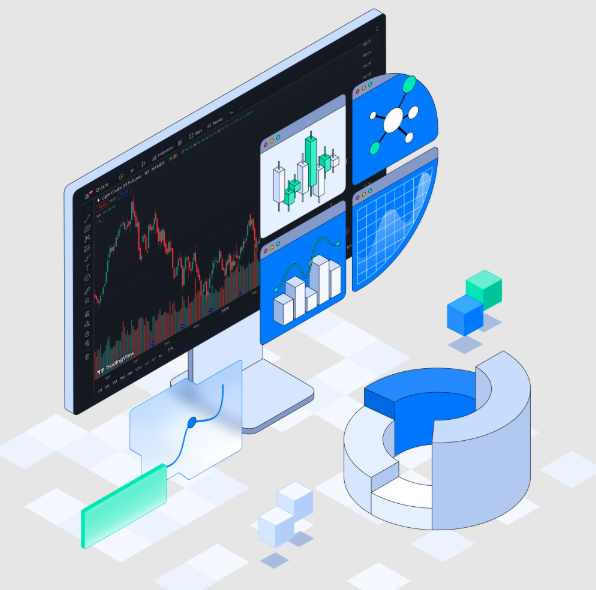
Most modern platforms offer a suite of charting tools designed to help you visualize market trends. From candlestick patterns to trendlines, these visual aids are essential for spotting potential breakout opportunities. Spending time learning how to customize these charts ensures that you can react quickly when a high-probability setup appears. Familiarity with the software interface is just as important as understanding the economic theory behind the trades.
Transitioning to Live Market Environments
Once a trader feels confident in their simulated results, the next logical step is moving toward live execution. This transition requires a platform that offers stability, low latency, and transparent pricing. btcdana.com provides the necessary infrastructure for users to explore these global opportunities. While the psychological pressure increases when real money is on the line, the foundation built during the simulation phase provides a necessary safety net of knowledge.
Risk Management and Capital Preservation
The golden rule of trading is to protect your capital at all costs. This involves setting stop-loss orders to limit potential downsides on every single trade. Many experts suggest never risking more than one percent of your total balance on a single position. By managing risk effectively, you ensure that a string of losses won't remove you from the game entirely. Longevity in the market is the ultimate goal for any serious participant.
Choosing a Reliable Partner in India
Selecting the right platform is critical for local traders who need specific features like localized payment methods and responsive support. Finding the best forex broker in india involves comparing spreads, execution speeds, and regulatory compliance. A trustworthy partner ensures that your focus remains on the charts rather than worrying about the safety of your funds. Always conduct thorough research to ensure the provider aligns with your specific trading goals and financial requirements.

Comments
Post a Comment