Mastering Global Markets: A Comprehensive Guide to Currency Exchange
The financial landscape is dominated by a massive, decentralized marketplace where national currencies are traded around the clock. To understand how forex trading works, one must view it as a continuous exchange of value between global economies. Participants range from massive central banks to individual retail investors seeking to capitalize on price fluctuations. Unlike traditional stock markets, this arena operates on a 24-hour basis, five days a week, driven by international trade and economic shifts.
The Mechanics of Currency Pairs
Every transaction in this market involves the simultaneous purchase of one currency and the sale of another. These are organized into pairs, such as the Euro against the US Dollar. The first currency listed is the base, while the second is the quote. Traders speculate on whether the base currency will strengthen or weaken against its counterpart. This dual nature allows participants to potentially profit in both rising and falling markets, provided their analysis is accurate.
Factors Influencing Market Volatility
Price movements in the currency world are rarely random; they are fueled by geopolitical events and economic data. Interest rate decisions by central banks, employment reports, and inflation figures are primary drivers of volatility. When a country shows signs of economic strength, its currency often appreciates as demand increases. Staying informed through economic calendars is essential for anyone looking to navigate these shifts without being caught off guard by sudden spikes.
Leverage and Margin Explained
One of the most distinct features of this market is the ability to use leverage. This financial tool allows traders to control large positions with a relatively small amount of capital. While leverage can magnify successful outcomes, it equally increases the risk of significant losses. Managing margin requirements is a critical skill, as it ensures that your account maintains enough liquidity to keep positions open during periods of high market turbulence.
The Role of Digital Platforms
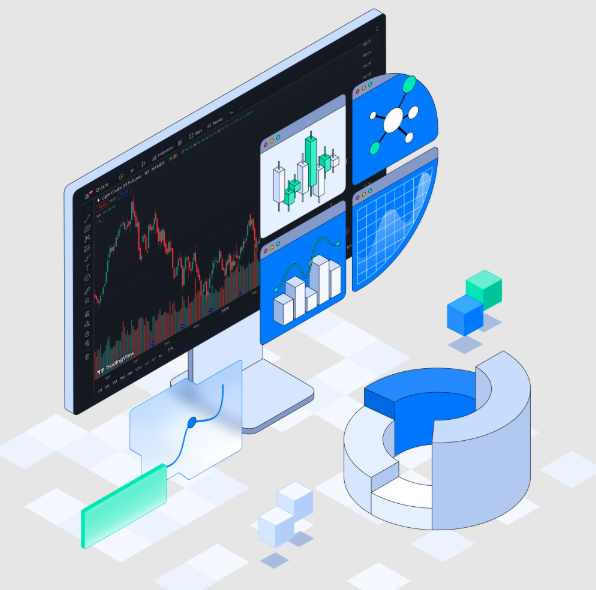
Modern technology has democratized access to the financial world through sophisticated software. These platforms provide real-time charts, technical indicators, and lightning-fast execution speeds. For those using the services of btcdana.com, the interface serves as the bridge between personal strategy and the global liquidity pool. Choosing a reliable platform is vital, as the quality of execution and the availability of analytical tools can directly impact your overall trading performance.
Technical Versus Fundamental Analysis
Traders generally fall into two camps: those who study charts and those who study news. Technical analysis involves looking at historical price patterns and mathematical indicators to predict future movements. Fundamental analysis, on the other hand, focuses on the underlying health of an economy. Most successful participants find a balance between the two, using fundamentals to determine the trade direction and technicals to find the most precise entry and exit points.
Developing a Disciplined Trading Plan
Entering the market without a predefined strategy is a recipe for inconsistency. A solid plan outlines exactly when to enter a trade, how much capital to risk, and where to place stop-loss orders to limit potential downsides. Discipline is the core of longevity in the financial world. By removing emotion from the decision-making process, you ensure that every move is based on logic and pre-calculated risk rather than impulsive reactions to market noise.
Risk Management as a Priority
Protecting your capital is more important than chasing high returns. Experienced participants often suggest never risking more than a small percentage of an account balance on a single transaction. This conservative approach allows for a series of small losses without depleting the entire fund. Diversification and the use of protective orders are standard practices that help maintain a steady equity curve over the long term, even during unpredictable market cycles.
Practicing with Virtual Capital
Before committing real money to the live market, it is highly recommended to gain experience in a risk-free environment. Utilizing a forex trading trial allows you to test your strategies using virtual funds while experiencing real market conditions. This phase is crucial for building confidence and refining your technical skills without the pressure of financial loss. Once you have a proven track record in a simulated setting, transitioning to live markets becomes a much smoother and more calculated process.

Comments
Post a Comment